Radiation Sources Poster – HAZCOM
Be aware of orphaned radioactive sources as they pose an extreme danger to plant and person and would be very difficult to […]
+27 12 380 0900 saisi@saisi.org
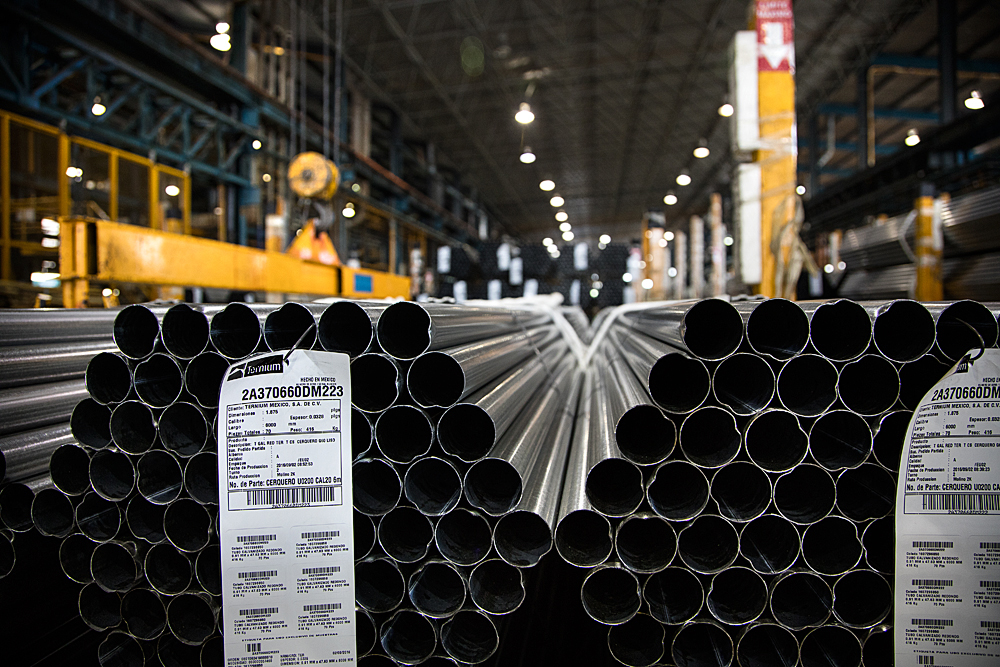
South Africa’s steel industry is no longer in a cyclical slump; it is at a structural turning point. February 2026 crude steel output fell 17.2% year‑on‑year to 312,900 tonnes, reflecting not only weak demand but also lost capacity, rising import penetration, and policy misalignment. While remaining producers have lifted utilisation, the gap left by mill closures remains unfilled a stark reminder that once capacity is lost, it is rarely recovered quickly.
Imports Are Displacing, Not Supplementing
The old narrative that imports “supplement” domestic supply no longer holds. SARS data shows January 2026 primary steel imports surged 21% year‑on‑year to 154,681 tonnes. Semi‑finished products rose 55%, long products 151%, and hot‑rolled coil 74%, with nearly 80% of coil imports originating from South Korea, exploiting exemptions to bypass safeguard duties. These inflows are not filling gaps; they are eroding local production, undermining pricing, and threatening industrial viability.
Trade Measures Must Be Decisive
Recent anti‑dumping actions by the International Trade Administration Commission are welcome, but partial or delayed interventions risk accelerating structural decline. Trade remedies must be comprehensive, timely, and rigorously enforced. Without decisive action, circumvention and diversion will continue to hollow out domestic capability.
Passive Deindustrialisation Is a Strategic Risk
Steel is not just another commodity it underpins infrastructure, energy, and manufacturing. Allowing the sector to erode is a policy choice with profound consequences. Import‑dependent construction of transmission lines, renewable energy projects, or industrial corridors exposes South Africa to cost volatility, supply insecurity, and strategic vulnerability.
Aligning Policy with Opportunity
The infrastructure pipeline represents demand opportunity. But without firm localisation requirements, infrastructure expansion risks deepening import dependence instead of rebuilding domestic capacity. The window is narrow. Policy alignment is urgent.
Priority actions include:
Conclusion: The Choice Is Stark
South Africa’s steel sector will not recover through market forces alone. It requires deliberate, coordinated policy. The choice is clear: bold intervention can restore resilience, while inaction guarantees gradual erosion. The real question is not whether South Africa can afford to support steel, but whether it can afford not to.
© SAISI 2026. All rights reserved.